You Must Not Be Proud of What You Did Not Choose
Pride requires choice, effort, and conscious contribution—not inheritance or circumstance
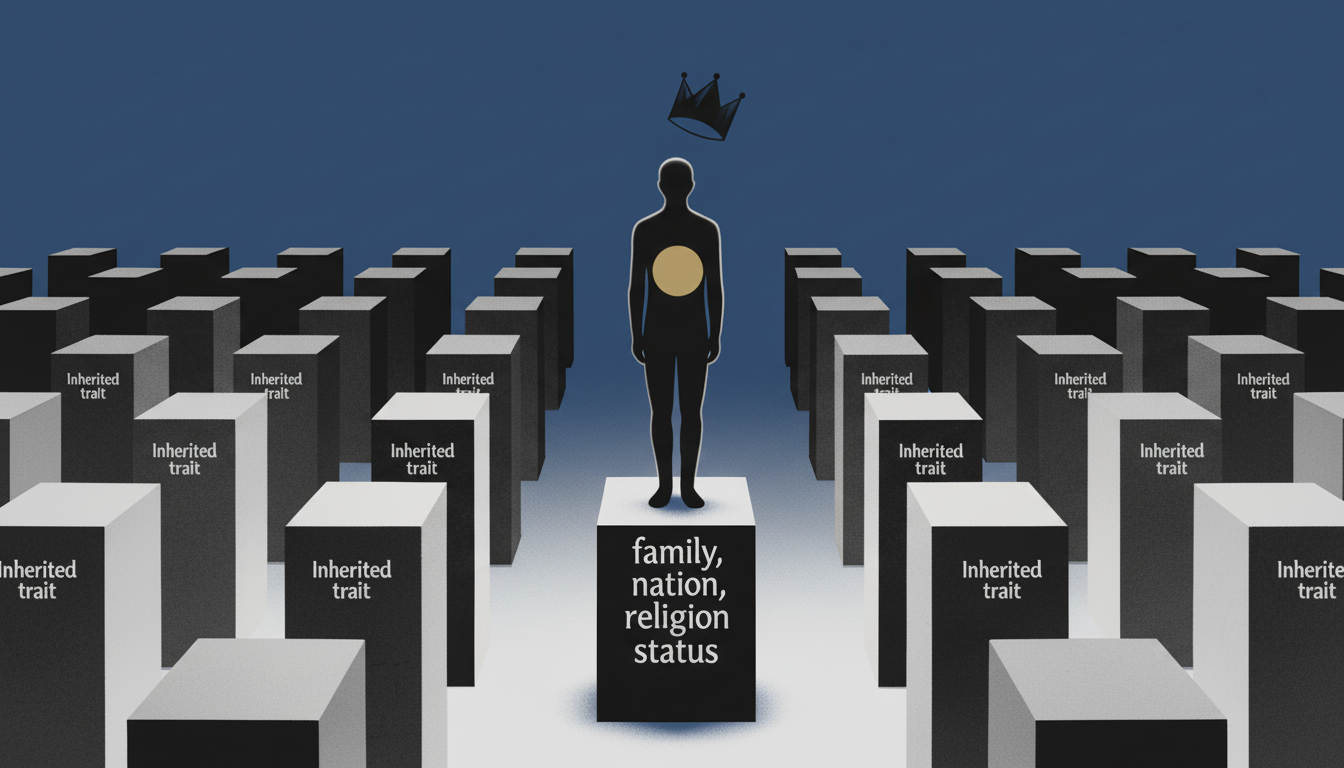
The Misuse of Pride
I am often amazed by how easily people take pride in things they never chose. Family heritage, inherited reputation, social popularity, nationality, religion at birth, even physical traits such as height or body structure—many wear these as badges of honor, despite having no role in earning them. I find it difficult to understand pride that is detached from effort, choice, or conscious struggle. Being born into a family, a belief system, or a physical form is not an achievement. It is a circumstance. What makes this more troubling is that many never pause to question why they believe what they believe, or why they feel entitled to pride over it. Belief without examination, identity without choice, and pride without contribution are often confused with meaning. According to the Oxford English Dictionary, pride is defined as:
"“A feeling of deep pleasure or satisfaction derived from one’s own achievements, qualities, or possessions, or from those of someone with whom one is closely associated.”"
This definition is precise—and often misunderstood. You may be happy for someone you love. You may celebrate their success. But you can only be proud of them if you played a meaningful role in their achievement—by teaching, supporting, guiding, or sacrificing for them. Otherwise, your emotion is joy, not pride. True pride requires agency. It requires choice. It requires effort. To be proud of something you did not choose or work for empties the word of its meaning. Pride is not inherited. It is earned.
Written by Me